VAR (Video Assistant Referees) set to be used in Premier League and Champions League from the 2018-2019 season said BBC Sports on 15th November. Almost at the same time, FIFA assured that VAR will be introduced into the 2019 UAE Asian Cup from the 1/4 finals (Bangjie Ma, 2018).
Before that, VAR has finished its debut at the 2018 World Cup this summer. I was an intern in Xinhua News Agency in Beijing at that time. And in this article, I will discuss as much as possible opinions.
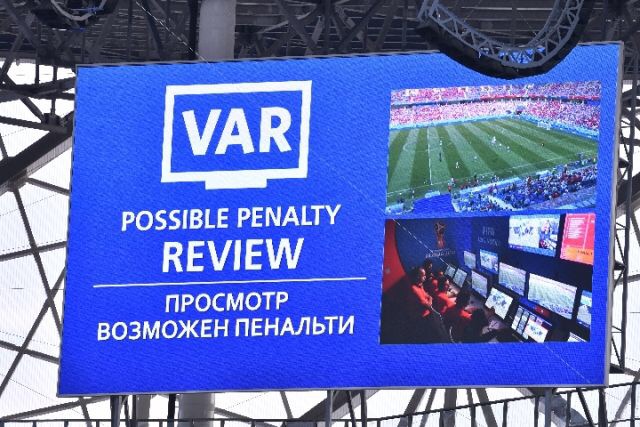
What is VAR?
VAR, the abbreviation of video assistant referee. It is a video technology that enables referees to review footage for key decisions during a football match.
At the annual meeting of the International Football Council in March 2016, a resolution was adopted to test VAR technology for two years and decide whether to promote it worldwide. Two years later, VAR technology has become a frequenter of the World Cup, Continent Cup and top-level leagues in many countries, despite its shortcoming and dispute.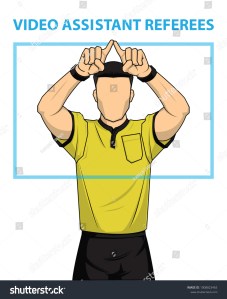
When does VAR work?
The operation of VAR is an integrated system.
There is a video-assisted referee off the pitch, who will always monitor all goals, straight red cards and penalties, even if the on-field referee hasn’t asked for a replay. If a mistake made, the referee will be told by earphones.
When referees need help to make a decision on penalty, they can pause the match and watch the playback on the monitor beside the pitch.
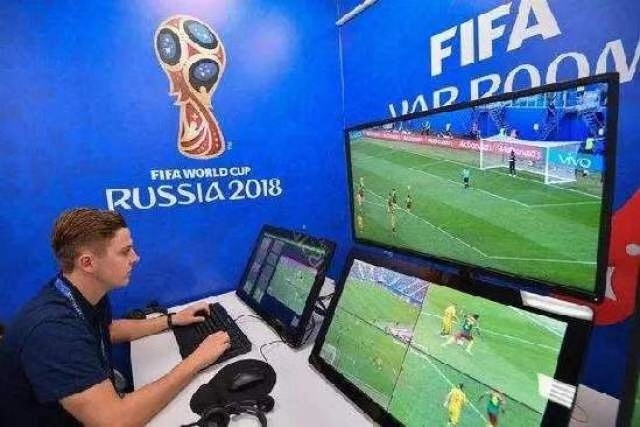
What do people think of VAR?
Some of them welcome the coming of VAR by arguing that it can stop mistakes on the pitch, which could assure the justice and transparency of a football game.
While others disagree, insisting that the frequent use of VAR delays the fluent play. Even worse, it disrupts the excitement of fans on the spot because they have to wait for the assurance of technology after a goal.
As we know, VAR is one of the keywords in the 2018 Russian World Cup. In a press conference after World Cup, Collina, chairman of FIFA referee committee, released some data. It said VAR had checked 455 judgements during 64 games, 7.1 times each game, in the 2018 World Cup. Without VAR, 95% judgements from referees only are correct. When VAR got involved in reviewing, it corrected penalties 14 times which increased the accuracy rate into 99.3% (Zurich, 2018).
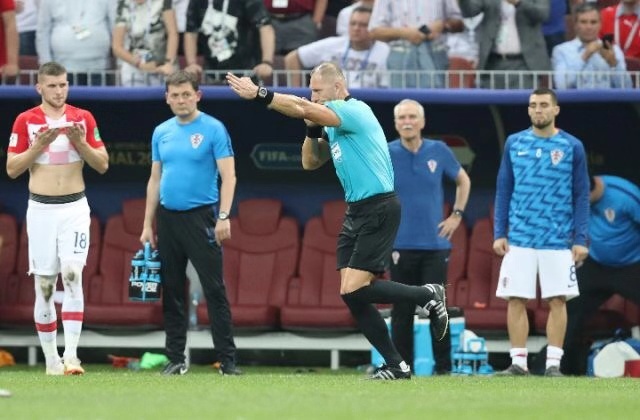
In my opinion, VAR indeed made a great contribution to the sports’ fairness but there are several questions VAR brought need to be considered.
Firstly, is fairness the only thing in a game?
If referees pause a game so many times to clarify his decisions and interrupt a football game which is supposed to be fluent, will you be excited? So, according to ESPN, the number of VAR involved in each game is not more than 10 times.
Secondly, who is the real boss? Referee or VAR?
Does technology make the referee more powerful or weaken the authority of the referee? Because of the addition of VAR, many players do not agree with certain penalties and try to influence the referee on the court, asking to watch VAR. Once the judgment is confirmed to be wrong, while reducing the authority of the referee, it will also make some referees more inclined to rely on technology rather than their own judgment.
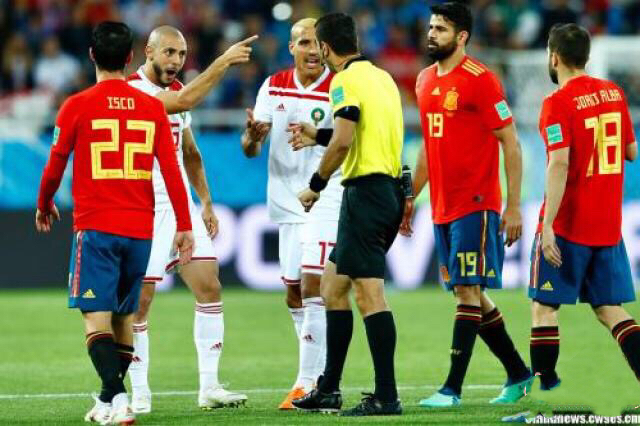
Thirdly, will VAR alters football tactics? Is it still be the football we know?
Where there is a human being, there are mistakes. Football is a human sport. The “Hand of God” of Maradona in 1986 has been talked millions of times in the history of football. Definitely, it was a miserable memory for the victim–England for quite a long time but we need to deliberate this issue standing for the whole football career rather than a single race.
On the one hand, the number of penalties because of VAR is much higher than ever before, and many fans call the 2018 World Cup a “penalty cup”.
On the other hand, many teams changed their tactics in the competition. They may focus more on heading techniques and defence in the penalty area and those who are good at cooperating by transferring balls many times may give up their technical characteristics.
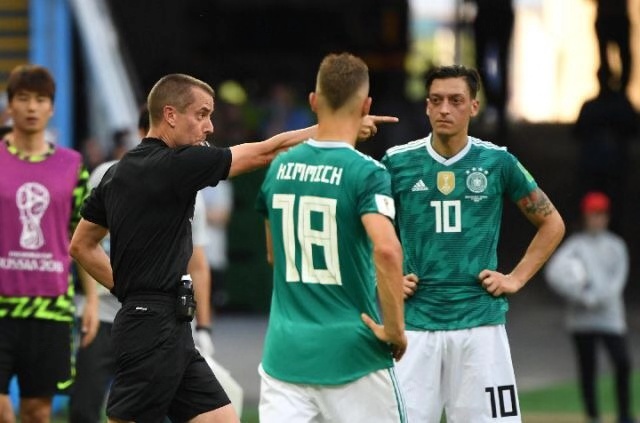
To sum up, football is an amazing sport filled with the brilliance of humanity everywhere. So, technology will never deprive of the role of referees which means VAR is only an assistant assuring the game relatively justice. Meanwhile, VAR’s existence brings a huge challenge for referees’ ability to control a game.
When justice and beauty stand on the opposite, how to balance technology and humanity? Is technology an angel or a devil? Maybe this question can only be answered by time. And all these disputes will eventually become the shadow of historical progress. All in all, our aim is clear: Making the football better!
What’s your opinion about VAR? Leave your comments here.
Reference:
BBC, (2018). Premier League to use VAR from next season. 14 November. Available from https://www.bbc.co.uk/newsround/43710866
BBC, (2018). VAR: Video assistance referee set to be used in Premier League next season. 15 November. Available from https://www.bbc.co.uk/sport/football/46224473
Zurich, (2018). Collina steps down as FIFA’s refereeing boss. Reuters, 1 August. Available from https://uk.reuters.com/article/uk-soccer-uefa-collina/collina-steps-down-as-uefas-refereeing-boss-idUKKBN1KM5KZ
All pictures are legal from Xinhua News Agency (China) with agreements
 Sunnie Loves Sports